
How Routine Pest Control Helps Prevent Major Infestations
Routine pest control by local service providers helps prevent major infestations by keeping pests away before they become a serious problem.
If you’re a property owner in the area, understanding how routine pest control helps prevent major infestations is essential for maintaining a safe and comfortable space. Regular pest management services target common pests before they become overwhelming, addressing minor issues early on and reducing the risk of larger problems developing. Engaging with local contractors who offer routine pest control can be a practical step toward keeping pests in check and preserving the integrity of your property.
Maintaining consistent pest control routines with trusted local service providers offers a proactive approach to pest prevention. These professionals are equipped to identify early signs of pest activity, implement targeted treatments, and help prevent infestations from taking hold. By exploring these services, property owners can better protect their investments and avoid the disruptive consequences of major pest problems, making routine pest control a valuable part of ongoing property care.
- General pest control - when homeowners notice early signs of pests and want to prevent larger issues, local contractors apply routine treatments to keep infestations at bay.
- Rodent prevention services - in areas prone to mice or rat activity, local pros implement ongoing measures to deter entry and reduce the risk of major infestations.
- Ant control programs - during peak seasons or when ant activity is observed, local service providers use routine applications to disrupt colonies before they expand.
- Spider management - to prevent webs and potential pest breeding sites, local contractors offer regular inspections and treatments as part of routine pest control.
- Bed bug prevention - in environments vulnerable to infestations, local pros provide ongoing monitoring and preventative treatments to stop bed bugs from establishing a large presence.
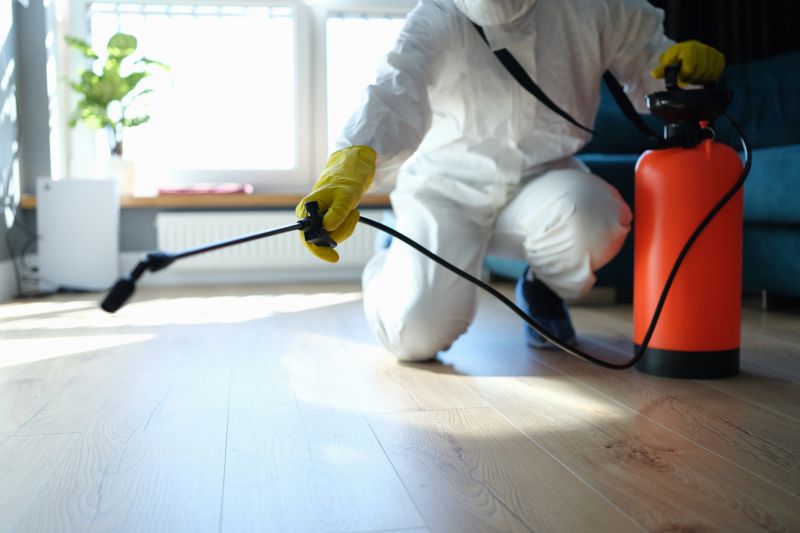
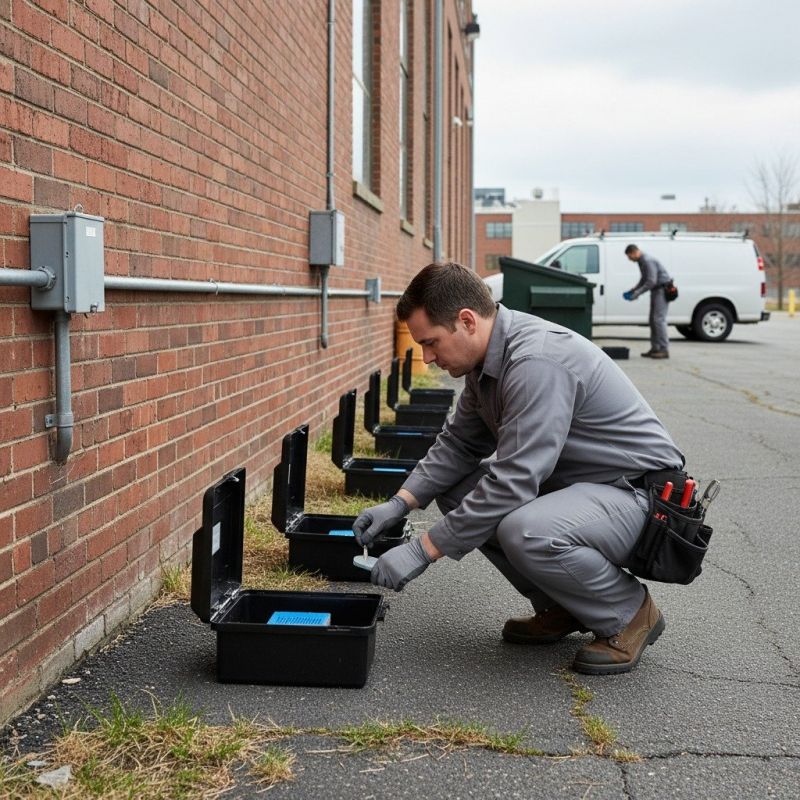

When people search for how routine pest control helps prevent major infestations, they are often looking to understand how regular maintenance can keep pests at bay before they become a serious problem. This topic relates to proactive strategies homeowners can use to avoid costly and disruptive pest invasions. It’s about the value of consistent pest management efforts, rather than waiting until a visible infestation appears. Many homeowners are interested in how scheduled treatments can create a barrier that discourages pests from establishing themselves in the first place, saving time, money, and frustration in the long run.
The problems associated with neglecting routine pest control often involve sudden, overwhelming infestations that can damage property or pose health risks. Common issues include the presence of ants, cockroaches, termites, rodents, or other pests that can quickly multiply if not addressed early. Routine pest control plans typically focus on identifying potential entry points, eliminating existing pests, and applying preventative measures. These plans are tailored to the specific needs of a property, taking into account the local pest pressures and the homeowner’s concerns, making them an essential part of a comprehensive pest management strategy.
Properties that typically come up when discussing routine pest control include residential homes, especially those with yards or gardens, as well as multi-family dwellings like apartments and condos. Commercial properties such as restaurants, retail stores, and office buildings also often require ongoing pest management to maintain hygiene standards and prevent infestations. In all cases, the goal of routine pest control is to establish a consistent presence that deters pests from settling in, rather than reacting to an active infestation. Local service providers can assess each property’s unique risks and develop a plan that fits its specific environment and usage.
For homeowners considering how routine pest control fits into their broader pest prevention plans, understanding the role of local contractors is key. These professionals can perform regular inspections, apply targeted treatments, and identify early signs of pest activity. By working with experienced service providers, homeowners can create a proactive defense that minimizes the chance of major infestations developing. Regular pest control not only helps maintain a pest-free environment but also supports ongoing property protection, making it an integral part of responsible property management.
Termite Inspection and Treatment - local contractors use specialized tools and planning to identify and eliminate termite risks, helping prevent infestations that can cause major damage.
Rodent Control Projects - professionals implement trapping, sealing, and prevention strategies that align with routine pest control to keep rodents from establishing large populations.
Spider and Insect Barrier Services - applying targeted barriers and treatments requires planning and tools similar to pest control, reducing the chance of major insect infestations.
Bed Bug Detection and Prevention - local service providers use inspection techniques and treatments that complement routine pest control efforts to prevent widespread bed bug issues.
Mosquito Control Programs - managing breeding sites and applying treatments involve planning and tools akin to pest control, helping avoid large mosquito populations.
Wildlife Exclusion Services - professionals design and implement exclusion methods that work alongside pest control strategies to prevent animals from creating major infestations.
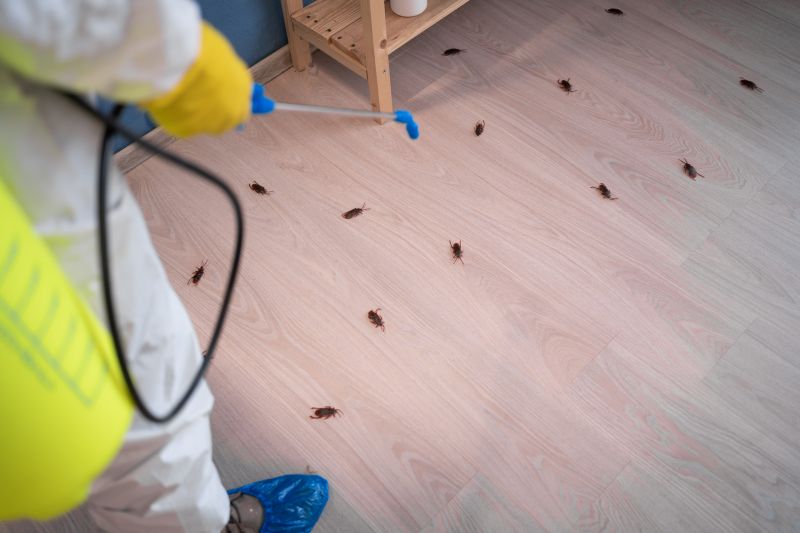
When comparing service providers for routine pest control, it is important to consider their experience with similar projects. Local contractors who have a history of handling pest prevention in residential settings can often better anticipate common issues and implement effective strategies. Asking about their background in routine pest control services helps ensure they understand the specific needs of homes in the area and are familiar with the pests most likely to threaten the property. Experience with similar projects also indicates a level of familiarity with the methods and products that work best in preventing major infestations over time.
Clear written expectations are essential when evaluating different local contractors for pest control services. A reputable service provider should be able to clearly outline what their routine treatments include, how often they recommend visits, and what homeowners can expect in terms of results. Having this information in writing helps prevent misunderstandings and ensures that both parties are aligned on the scope of work. It also provides a reference point if adjustments are needed later, contributing to a smoother process in maintaining ongoing pest prevention.
Good communication and reputable references are key factors to consider when choosing a service provider. Reliable local contractors should be willing to share references or testimonials from previous customers who have used their routine pest control services for similar needs. This feedback can provide insight into their professionalism, responsiveness, and effectiveness in preventing infestations. Additionally, open and clear communication throughout the process helps homeowners stay informed about treatment plans, potential concerns, and follow-up steps. Such transparency can contribute to a more confident decision and a successful partnership in protecting the home from major pest problems.
Property owners often search for how routine pest control helps prevent major infestations when they are planning practical projects around their homes and businesses. Local pros provide Routine Pest Control services for everyday jobs and straightforward project options.
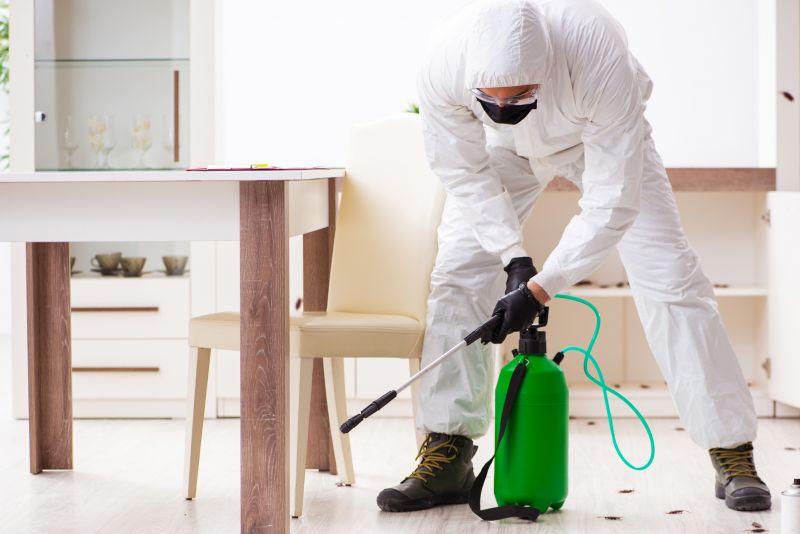
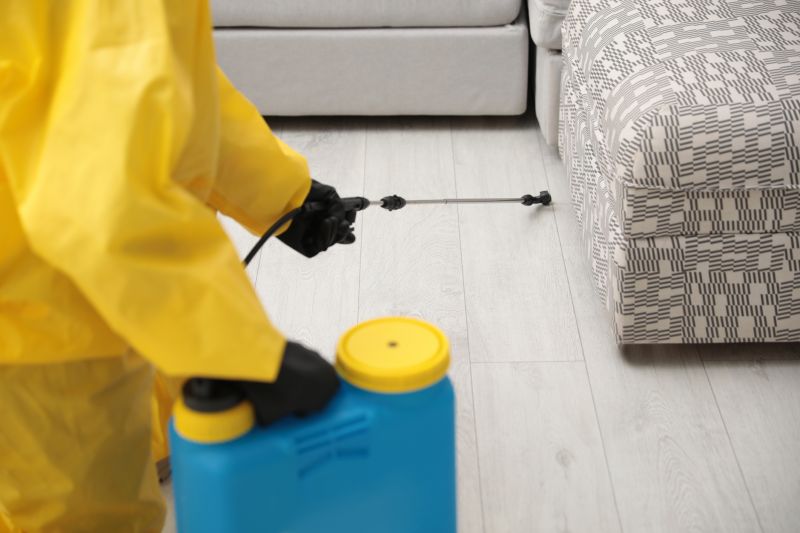
Routine pest control plays a vital role in maintaining a pest-free property by addressing potential issues before they escalate into full-blown infestations. Property owners in the area often seek out regular services from local contractors to help keep common pests such as ants, spiders, and rodents at bay. These ongoing treatments can help identify early signs of pest activity, allowing for prompt action that prevents pests from establishing permanent nests and causing damage or discomfort.
Many individuals look into routine pest control as a proactive step to protect their homes and businesses from costly infestations. Local service providers offer scheduled visits that target the pests most likely to invade the area, helping to maintain a healthier environment. Regular pest management can also reduce the likelihood of pests spreading, ensuring that minor issues do not turn into major problems that require extensive and disruptive treatments.
How does routine pest control help prevent major infestations? Routine pest control services regularly treat properties to eliminate existing pests and identify potential entry points, reducing the risk of a major infestation developing over time.
Can routine pest control catch pest problems early? Yes, routine treatments allow local contractors to detect early signs of pest activity, enabling prompt action before infestations become severe.
Why is consistency important in pest control for prevention? Consistent pest control helps maintain a barrier against pests, preventing them from establishing colonies and minimizing the chances of a large infestation.
How do local service providers tailor pest control to prevent infestations? Local contractors assess specific property conditions and pest risks to implement targeted treatments that effectively prevent infestations from taking hold.
What role does routine pest control play in long-term pest management? Routine pest control forms a proactive approach, reducing pest populations over time and helping to avoid the need for extensive treatments later.
Regular inspections - routine pest control services include scheduled inspections that help identify early signs of pest activity before an infestation develops.
Preventive treatments - applying targeted treatments around the property reduces pest entry points and discourages pests from establishing nests.
Monitoring and adjustments - ongoing pest control plans allow local contractors to monitor pest trends and adjust treatments to keep infestations from escalating.
Education and advice - service providers can offer practical tips on maintaining a pest-resistant environment to support ongoing prevention efforts.
If you are thinking about how routine pest control helps prevent major infestations for a property, this guide is meant to help you understand this topic, the typical project types, and how different options might fit your plans.
When you are ready, you can use the quote form on this page to share a few details about your project. From there, local pros can review the basics and follow up with options that match what you have in mind.