
Common Areas Roaches Hide
Local contractors specializing in roach pest control can identify and treat common areas where roaches hide to effectively eliminate infestations.
Visitors exploring concerns about common areas roaches hide are in the right place. Property owners in the local area often face challenges with pests thriving in hidden spots, especially in shared or less accessible spaces such as hallways, storage rooms, or behind appliances. Understanding where roaches tend to conceal themselves can be key to managing and preventing infestations effectively. As this issue can impact the comfort, cleanliness, and reputation of a property, many choose to explore professional roach pest control services offered by experienced local contractors who specialize in identifying and treating these hard-to-reach hiding spots.
Continuing to read can provide practical insights into how common areas roaches hide and why targeted treatment is essential. Local service providers are equipped to assess these hidden spaces and implement effective solutions tailored to the unique layout of each property. Whether it’s sealing entry points or treating concealed nests, these pros can help property owners keep common areas clean and pest-free. Connecting with a trusted local contractor can be a proactive step towards controlling roaches in those difficult-to-see places, ensuring a healthier environment for everyone.
- Common areas roaches hide - property owners experiencing persistent roach activity in shared spaces can rely on local contractors to identify and treat hidden nesting sites effectively.
- Common areas roaches hide - during infestations where roaches are found in wall voids, ceilings, or behind appliances, local pros use targeted methods to eliminate these hard-to-reach areas.
- Common areas roaches hide - when roaches are suspected to be hiding in communal storage or utility areas, local service providers implement strategic treatments to address these concealed populations.
- Common areas roaches hide - in cases where roaches are nesting in cracks, crevices, or cluttered corners, local contractors apply specialized techniques to disrupt their hiding spots.
- Common areas roaches hide - property managers dealing with recurring roach issues in shared spaces can turn to local pros for comprehensive inspections and integrated pest management solutions.
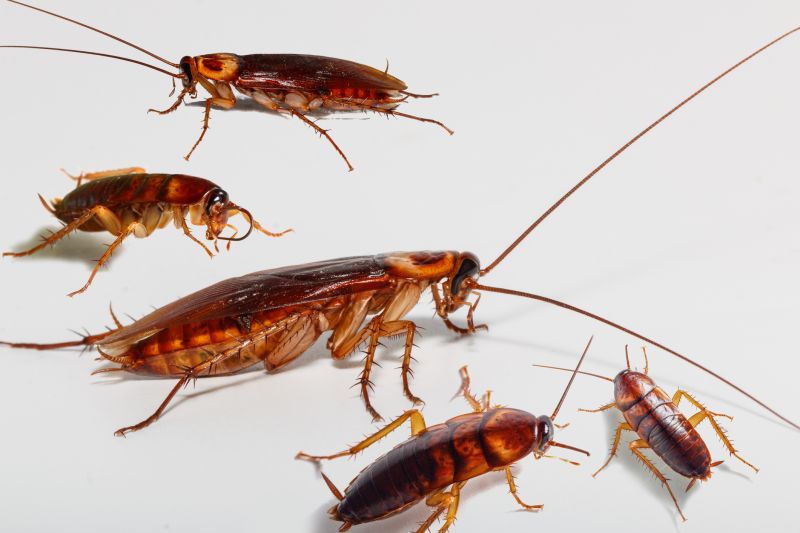
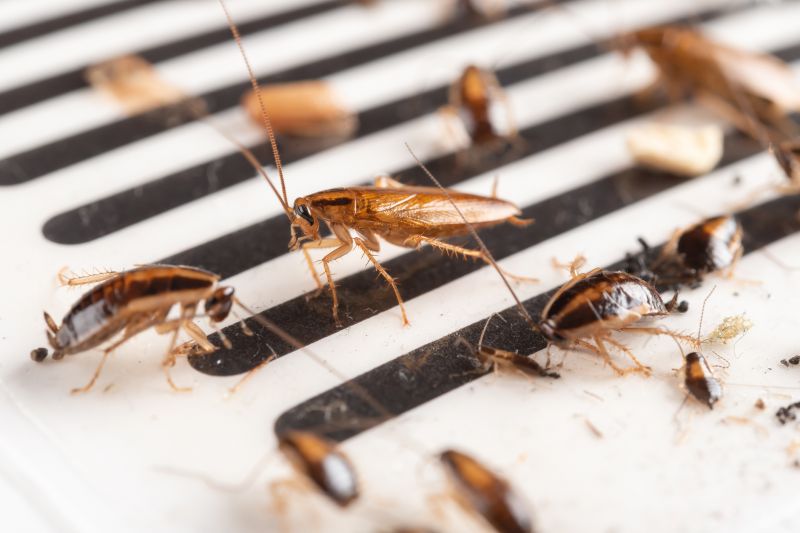
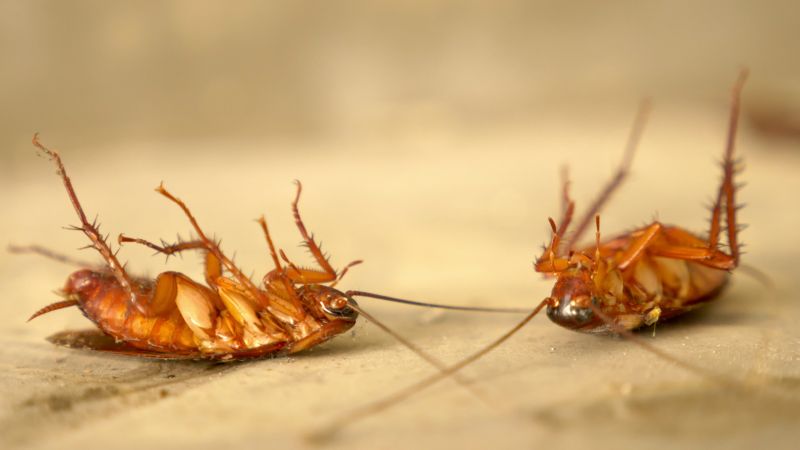
When people search for information about common areas roaches hide, they are usually trying to understand where these pests tend to nest within residential or commercial properties. This topic often comes up when homeowners notice signs of a roach problem, such as droppings, musty odors, or sightings in certain parts of the building. The focus is typically on identifying the specific hiding spots that roaches prefer in shared or less visible spaces, so that targeted treatment can be more effective. Understanding these common hiding areas helps property owners plan better pest management strategies and reduces the likelihood of ongoing infestations.
Common areas where roaches tend to hide include kitchens, bathrooms, and utility rooms, but they are also known to frequent less obvious spots such as behind appliances, inside cabinets, or under sinks. These pests thrive in warm, moist environments that provide easy access to food and water sources. In multi-unit buildings like apartments or condos, common areas such as laundry rooms, hallways, or storage closets can serve as hubs for roach activity, making it essential to address these spaces during treatment. Recognizing these typical hiding spots can help property owners work more efficiently with local contractors to develop comprehensive pest control plans.
The types of properties most associated with common areas roaches hide in are often residential complexes, apartment buildings, and multi-family housing. These environments tend to have numerous hiding spots due to shared walls, plumbing, and ventilation systems. Commercial properties such as restaurants, grocery stores, or food processing facilities can also experience roach issues in their common areas, especially in storage or preparation zones. Single-family homes may have fewer hiding spots overall, but areas like basements, garages, or crawl spaces can still provide suitable shelter for roaches. Knowing the property type helps local service providers tailor their approach to effectively target these hidden pests.
For homeowners and property managers, understanding where roaches hide in common areas is a key part of managing and preventing infestations. Local pest control service providers can assess these specific hiding spots and implement treatment methods designed to reach concealed pests. This often involves targeted treatments in problem areas and recommendations for sanitation or structural adjustments to reduce hiding opportunities. By working with experienced local pros, property owners can address the root of the problem more effectively, ensuring that common hiding spots are thoroughly treated and future infestations are less likely to develop.
Building inspections - professionals assess structural and hidden spaces where roaches may hide in common areas, helping identify potential pest entry points and nesting sites.
Sanitation services - cleaning experts focus on removing food debris and clutter in shared spaces, reducing attractants for roaches and making pest control more effective.
Interior remodeling - contractors update or modify common areas, which can include sealing entry points and eliminating hiding spots for roaches during renovations.
Ventilation system installation - specialists improve airflow in shared spaces, which can help control moisture levels that roaches thrive in and reduce their hiding spots.
Storage area organization - experts help optimize storage solutions in common areas to minimize clutter and inaccessible spaces where roaches can hide undisturbed.
Structural repairs - contractors fix cracks, gaps, and other entry points in walls and flooring, making it harder for roaches to find shelter in common areas.

When evaluating local contractors for roach pest control services aimed at addressing common areas where roaches tend to hide, it is important to consider their experience with similar projects. Homeowners should inquire about how many times the service provider has handled infestations in residential settings, particularly those involving common hiding spots such as cracks, crevices, and hidden corners. An experienced contractor will have a better understanding of the typical hiding places for roaches in common areas and can tailor their approach accordingly, increasing the likelihood of effective results.
Clear written expectations are essential when comparing service providers. Homeowners should seek detailed descriptions of the treatment process, including what areas will be targeted, what methods will be used, and any preparations required beforehand. Transparent communication about what the service entails helps ensure that both parties are aligned on the scope of work and can prevent misunderstandings. Reputable contractors often provide documentation or written plans that outline these expectations, making it easier for homeowners to assess whether the approach matches their needs.
Reputable references and good communication are key factors in selecting a reliable service provider. Homeowners can ask for references from previous clients who had similar issues with common areas roaches, to gain insight into the contractor’s effectiveness and professionalism. Additionally, responsive and clear communication throughout the process - from initial inquiries to follow-up - indicates a contractor’s commitment to customer service. Choosing local pros who demonstrate transparency, professionalism, and a track record of successful pest control can lead to a more satisfactory experience in managing common areas where roaches hide.
Property owners often search for common areas roaches hide when they are planning practical projects around their homes and businesses. Local pros provide Roach Pest Control services for everyday jobs and straightforward project options.
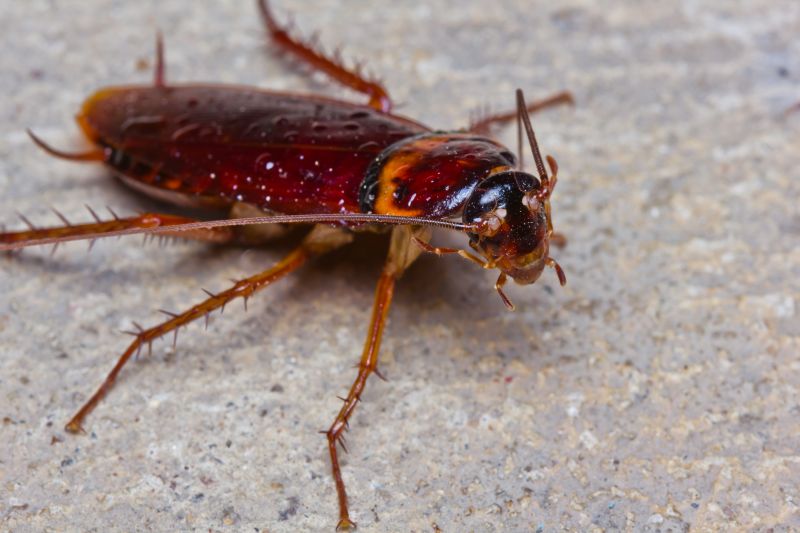
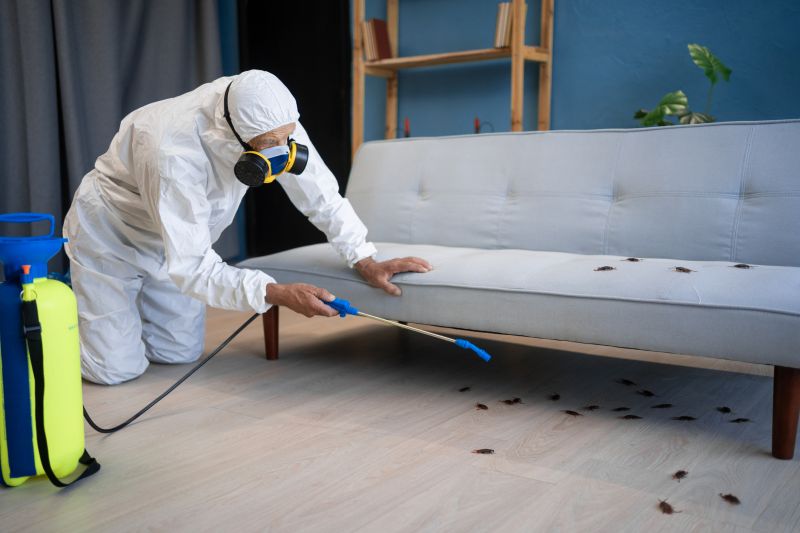
Many property owners searching for solutions to roach infestations often focus on common areas where these pests tend to hide. These spots, such as behind appliances, in cabinets, or within wall voids, provide dark and undisturbed environments that roaches favor. When dealing with persistent sightings or signs of activity in shared or private spaces, it can be helpful to consider professional roach pest control services. Local contractors experienced in handling infestations can identify these hidden areas and implement targeted treatments to eliminate roaches effectively.
For those noticing frequent sightings in common areas like kitchens, laundry rooms, or storage spaces, understanding where roaches hide can be key to resolving the issue. These pests often seek shelter in cracks, crevices, and cluttered corners that are difficult to access without proper tools and expertise. Connecting with local service providers who specialize in pest control can provide the necessary assistance to treat these hard-to-reach spots. Their knowledge of common hiding places can make a significant difference in controlling and preventing future roach problems.
Why do roaches tend to hide in common areas? Roaches often hide in common areas because these spaces provide dark, warm, and cluttered environments that offer shelter and easy access to food and water sources.
What are some common hiding spots for roaches in shared spaces? Common hiding spots include behind appliances, inside cabinets, under sinks, in wall voids, and within cluttered corners of hallways or storage areas.
How can local pest control service providers help with roaches hiding in common areas? They can identify and treat infested hiding spots, apply targeted treatments, and advise on reducing clutter to eliminate roach hiding places.
Are there specific areas in a building where roaches are more likely to hide? Yes, areas such as kitchens, bathrooms, basements, and utility rooms are more prone to harbor roaches due to moisture and food availability.
What steps can be taken to prevent roaches from hiding in common areas? Regular cleaning, reducing clutter, sealing cracks and crevices, and working with local pros for routine inspections can help prevent roaches from finding hiding spots.
Identify common hiding spots - property owners can inspect areas like cabinets, appliances, and storage spaces to locate where roaches may be hiding in common areas.
Reduce clutter and debris - clearing clutter in shared spaces can limit hiding places and make pest control efforts more effective with help from local contractors.
Seal entry points and cracks - sealing gaps around pipes, vents, and baseboards prevents roaches from accessing common areas and hides, supporting pest management strategies.
Implement ongoing pest prevention - regular inspections and treatments by local service providers can keep roaches from establishing themselves in shared spaces.
If you are thinking about common areas roaches hide for a property, this guide is meant to help you understand this topic, the typical project types, and how different options might fit your plans.
When you are ready, you can use the quote form on this page to share a few details about your project. From there, local pros can review the basics and follow up with options that match what you have in mind.